
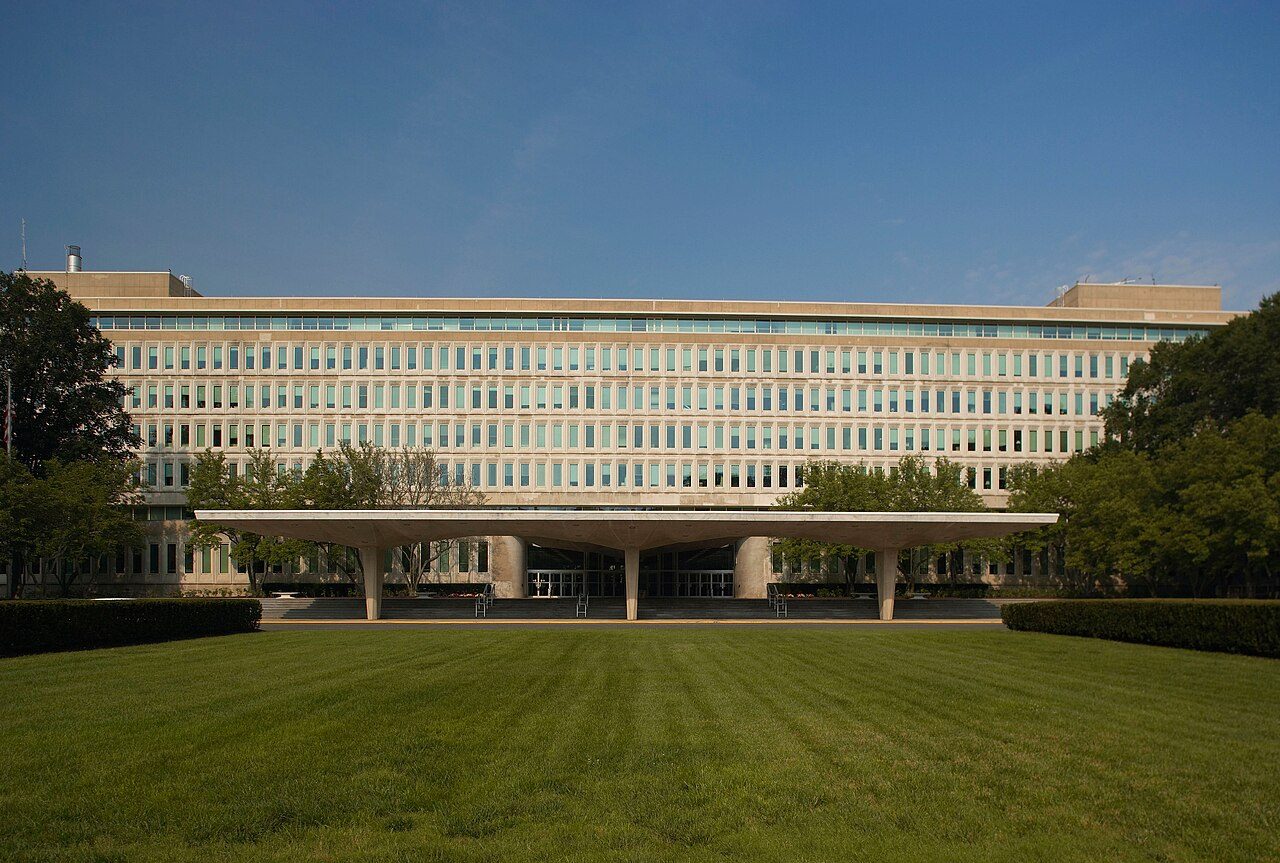

The Central Intelligence Agency was born of an argument about the Office of Strategic Services. In November 1944 OSS's chief, William Donovan, proposed a permanent central intelligence service answering directly to the President. The Army and Navy opposed it, the plan leaked to the press in February 1945, and when Truman dissolved OSS that autumn its pieces were scattered between the War and State Departments1.
From group to agency
Truman's first answer was modest. A presidential directive of 22 January 1946 created a National Intelligence Authority of the Secretaries of State, War and Navy plus a presidential representative, served by a small Central Intelligence Group under a Director of Central Intelligence. Its job was to plan and coordinate "all Federal foreign intelligence activities"2. The group had no statute or budget of its own, and its early directors pressed for legislation2,4.
The National Security Act of 1947, which also created the National Security Council and the Department of Defense, gave it a legal footing. On 18 September 1947 the Central Intelligence Group became the Central Intelligence Agency, and its director, Roscoe Hillenkoetter, wrote to the departmental intelligence chiefs about the "transformation"3,6. The Act charged the agency with correlating and evaluating intelligence for the government; it said nothing explicit about covert action. The CIA Act of 1949 later exempted the agency from many ordinary rules on budgets and personnel6,8.
Into covert action
That silence did not last. In September 1947 the agency's own general counsel advised that Congress had not intended the CIA to conduct covert operations without specific authorization4. Within months, amid concern about Communist strength in Western Europe, the National Security Council directed the CIA to undertake covert psychological operations under NSC 4-A4. On 18 June 1948 NSC 10/2 went much further. Citing "the vicious covert activities of the USSR," it authorized propaganda, economic warfare, sabotage, subversion and support for resistance movements, all to be planned so that the US government could "plausibly disclaim any responsibility," and set up a new covert action office inside the CIA4,5. That office, soon called the Office of Policy Coordination and led by Frank Wisner, grew rapidly8.
The 1950s and 1960s were the agency's covert action era. Under Directors Allen Dulles and Richard Helms it helped overthrow governments in Iran (Operation Ajax (TPAJAX)) and Guatemala (Operation PBSuccess), infiltrated agents into the Soviet bloc (Operation Redsox), organized the failed invasion of Cuba (The Bay of Pigs invasion) and the program that followed (Operation Mongoose), and ran large paramilitary wars in Laos (The secret war in Laos) and in Tibet (ST CIRCUS: the CIA in Tibet). It also developed technical collection systems, beginning with the U-2 reconnaissance aircraft, built in cooperation with the Air Force (The U-2 program and the 1960 shoot-down), and the CORONA satellites (CORONA)8. In 1961 it moved into a new headquarters at Langley, Virginia, west of Washington8.
Exposure and oversight
The reckoning came in the mid-1970s. After revelations of domestic spying, including the CIA's Operation CHAOS (Operation CHAOS), Congress passed the Hughes–Ryan Amendment, which required a presidential "finding" for each covert action and reports to congressional committees, and on 27 January 1975 the Senate created the Church Committee8. Its report on assassination plots, published in November 1975, found that US officials had plotted against Fidel Castro and Patrice Lumumba (The plots against Fidel Castro, The CIA and the Congo crisis, 1960–61) and had encouraged coup plotters in the Dominican Republic, South Vietnam and Chile (Track II and Chile, 1970)7. Director William Colby led the agency through these inquiries. A permanent Senate Select Committee on Intelligence followed in 19768.
The CIA was never only a covert action service. Its analysts produced national intelligence estimates for the President, its clandestine officers ran agents against the Soviet Union and its KGB, and its counterintelligence staff was long led by James Angleton. Those other sides of the agency's history appear on the pages for the people and cases involved8.
Key dates
- 22 January 1946 Truman's directive creates the National Intelligence Authority and the Central Intelligence Group.
- 18 September 1947 The Central Intelligence Group becomes the CIA under the National Security Act of 1947.
- 18 June 1948 NSC 10/2 authorizes covert operations and creates the Office of Special Projects (later Policy Coordination) within the CIA.
- 19 August 1953 The CIA-backed coup in Iran removes Prime Minister Mosaddeq.
- 27 June 1954 Guatemala's President Árbenz resigns under CIA-organized pressure.
- 17 April 1961 The CIA's Cuban exile brigade lands at the Bay of Pigs and is defeated.
- 1974 The Hughes–Ryan Amendment requires presidential findings and reports to Congress for covert actions.
- 27 January 1975 The Senate creates the Church Committee to investigate the intelligence agencies.
- 20 November 1975 The Church Committee publishes its report on assassination plots.
Operations in these files
 1 February 1943 – 1 October 1980
The Venona project
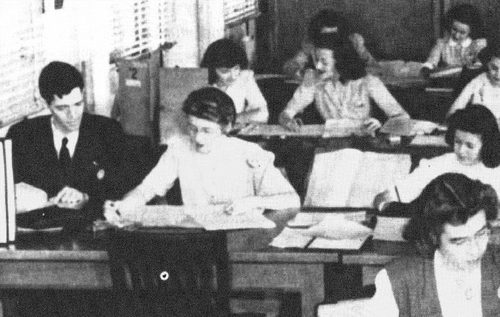
The US Army codebreaking program that, from 1943 to 1980, read parts of some 2,900 wartime Soviet intelligence cables and exposed Fuchs, the Rosenbergs and Donald Maclean.
1949 – 1954
Operation Redsox
REDSOX was the CIA's early Cold War program for parachuting and smuggling émigré agents into the Soviet Union. It produced little intelligence and cost many agents their lives.
 1949 – 1955
Operation Silver (the Vienna tunnels)
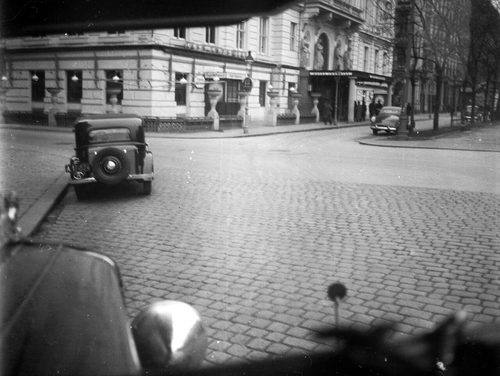
In occupied Vienna from about 1949, British SIS officers dug short tunnels to tap the telephone cables of the Soviet command, then shared the take with the CIA. It was the model for the Berlin Tunnel.
22 June 1949 – 1954
Operation Valuable (Albania)
The joint British and American attempt, from 1949 into the early 1950s, to undermine Enver Hoxha's regime by infiltrating Albanian émigré agents. Most teams were caught, and Hoxha stayed in power.
 March – 19 August 1953
Operation Ajax (TPAJAX)
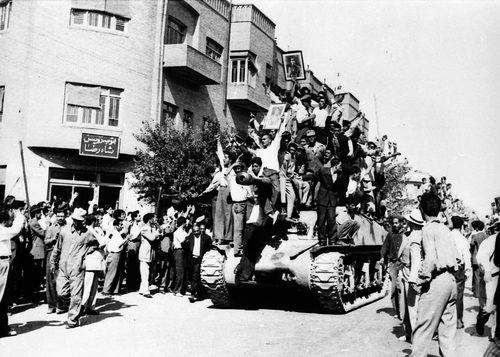
The 1953 Anglo-American covert operation that removed Iran's prime minister Mohammad Mosaddeq, as reconstructed from the CIA and State Department records published in 2017.
 13 April 1953 – 1964
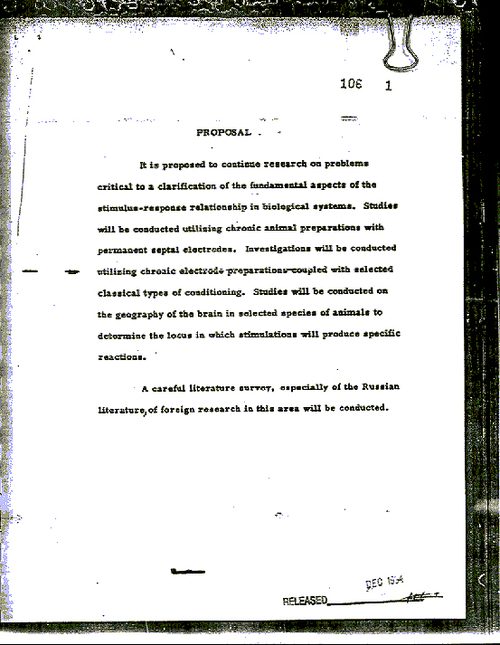
Project MKUltra
The CIA's umbrella program, approved in 1953, for secret research on drugs and behavior control. It included LSD tests on unwitting Americans; most records were destroyed in 1973, and a surviving cache surfaced in 1977.
 12 August 1953 – 27 June 1954
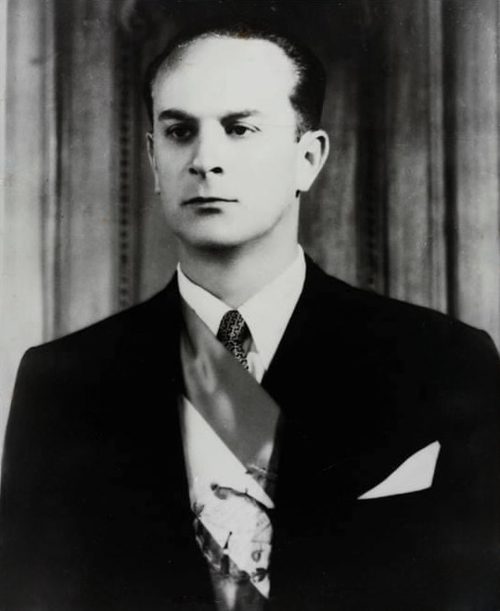
Operation PBSuccess
The CIA's 1953–54 campaign of propaganda, pressure and a small proxy invasion that forced Guatemala's elected president Jacobo Árbenz to resign on 27 June 1954.
 December 1953 – 22 April 1956
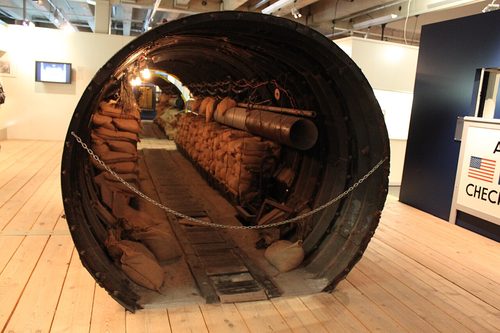
Operation Gold (the Berlin Tunnel)
From 1955 to 1956 the CIA and British SIS tapped Soviet military phone and teleprinter cables in East Berlin from a 1,476-foot tunnel, unaware that a KGB mole had betrayed the plan before digging began.
 24 November 1954 – 16 May 1960
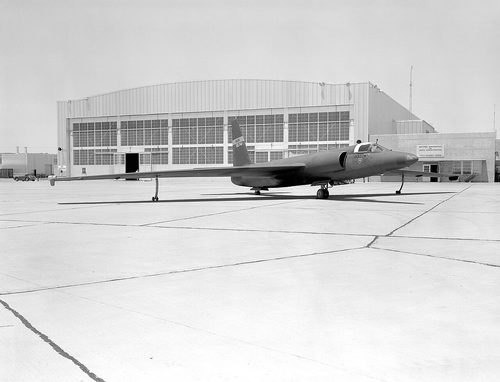
The U-2 program and the 1960 shoot-down
From 1956 the CIA's U-2 photographed the Soviet Union from 70,000 feet. On 1 May 1960 a missile brought down Francis Gary Powers near Sverdlovsk, the cover story collapsed and the Paris summit failed.
28 November 1956 – November 1990
Operation Gladio
Italy's secret stay-behind network, set up with the CIA in 1956 to fight a Soviet occupation, was revealed by Prime Minister Andreotti in 1990. Its alleged links to terrorism are still disputed.
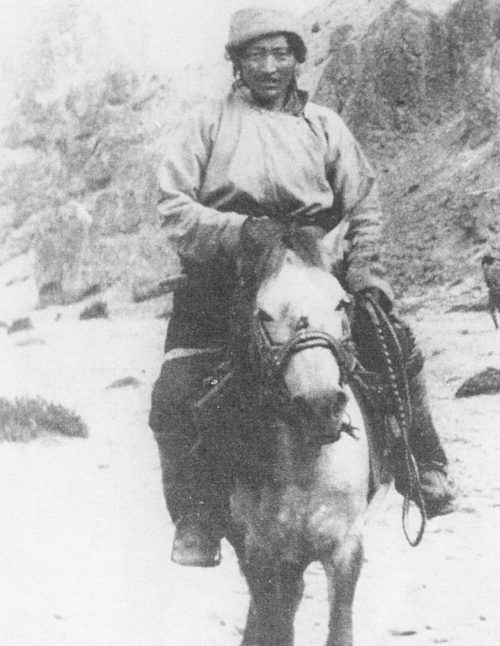 1957 – 1972
ST CIRCUS: the CIA in Tibet
From the late 1950s to the early 1970s the CIA trained Tibetan guerrillas in Colorado, supplied a resistance army in Nepal and subsidized the Dalai Lama. Rapprochement with China ended it.
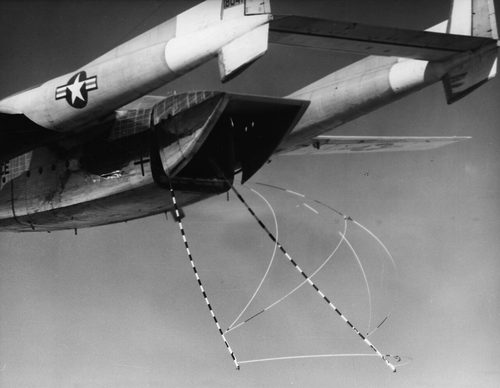 February 1958 – 31 May 1972
CORONA
America's first photographic reconnaissance satellite, run by the CIA and Air Force from 1958 to 1972. Its film buckets, caught in midair, ended the missile-gap guesswork and stayed secret until 1995.
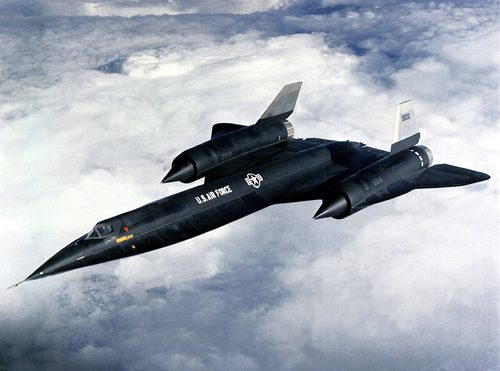 29 August 1959 – 21 June 1968
Project Oxcart
The CIA's Mach 3 titanium spy plane, the Lockheed A-12, was built to replace the U-2 over the Soviet Union. It never flew there; its only operation, BLACK SHIELD, covered Vietnam and North Korea in 1967–68.
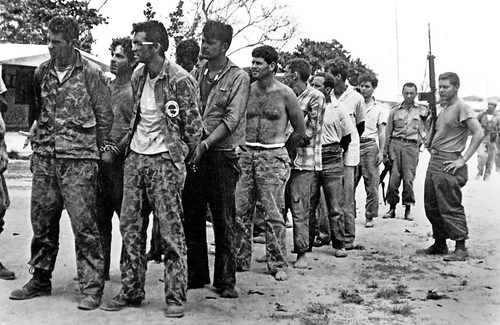 17 March 1960 – 19 April 1961
The Bay of Pigs invasion
In April 1961 a CIA-trained brigade of Cuban exiles landed at the Bay of Pigs to topple Fidel Castro and was defeated within three days. The records show how a covert plan outgrew its cover.
 August 1960 – 1965
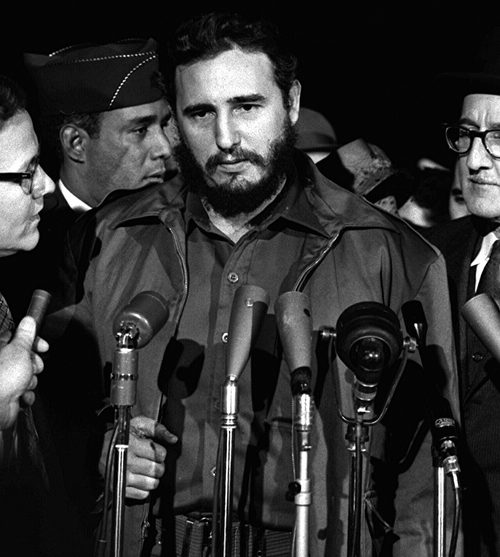
The plots against Fidel Castro
Between 1960 and 1965 the CIA pursued at least eight plots to kill Fidel Castro, using poison pills, gangsters and a Cuban insider. None succeeded, and who authorized them was never settled.
 18 August 1960 – 17 January 1961
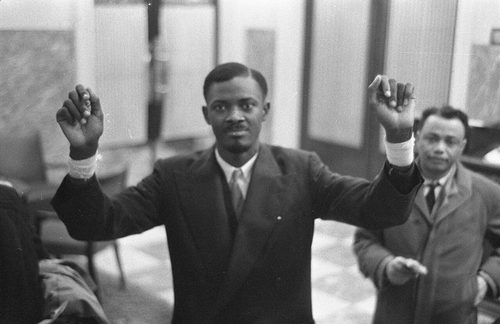
The CIA and the Congo crisis, 1960–61
In 1960 the CIA plotted to poison Patrice Lumumba and backed Joseph Mobutu. Lumumba was killed by Katangan authorities in January 1961; the Church Committee found no evidence the US took part in his death.
 17 January 1961 – February 1973
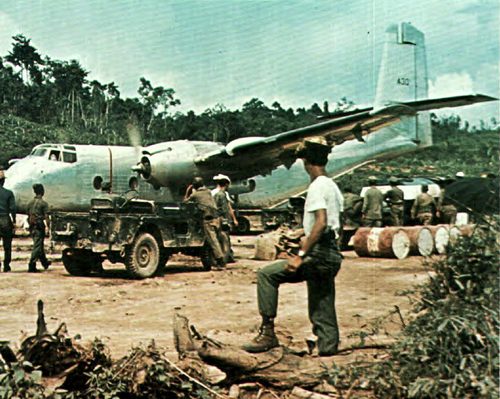
The secret war in Laos
From 1961 to 1973 the CIA armed and directed an irregular army, built around Hmong fighters led by Vang Pao, against the Pathet Lao and North Vietnam in a country officially neutral.
 20 April 1961 – 22 October 1962
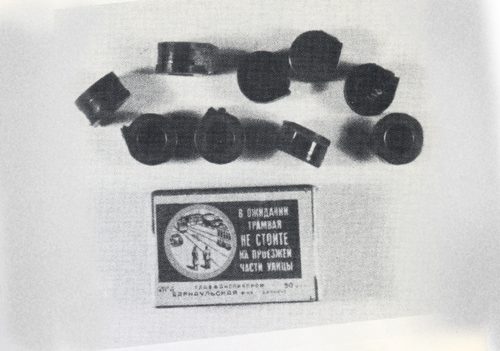
IRONBARK: the Penkovsky case
How a disaffected GRU colonel, Oleg Penkovsky, fed the CIA and MI6 Soviet missile manuals in 1961–62, and how his IRONBARK material shaped US judgments in the Cuban Missile Crisis.
 May 1961 – 2 June 1962
Project Coldfeet
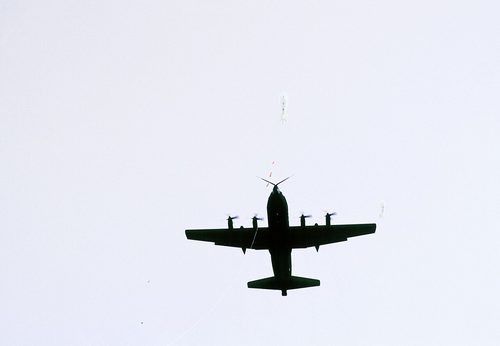
In 1962 two US officers parachuted onto an abandoned Soviet drifting ice station near the North Pole, searched it for three days, and were snatched back into a CIA B-17 by Robert Fulton's Skyhook.
November 1961 – 15 March 1988
TOPHAT: the Polyakov case
From 1961 to 1980 GRU officer Dmitri Polyakov, later a major general, spied for the FBI and CIA. Betrayed by Robert Hanssen and Aldrich Ames, he was arrested in 1986 and shot in 1988.
 30 November 1961 – October 1962
Operation Mongoose
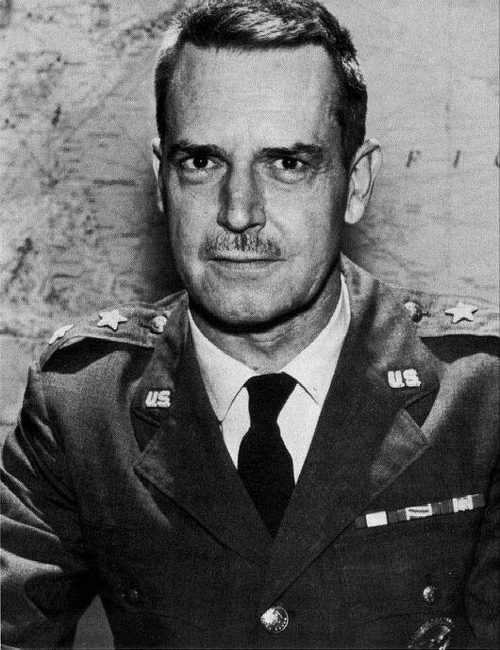
The Kennedy administration's 1961–62 covert program to overthrow Fidel Castro, run by Edward Lansdale under Robert Kennedy's eye, which aimed at a revolt in Cuba by October 1962.
 10 August – 20 November 1962
Intelligence in the Cuban Missile Crisis
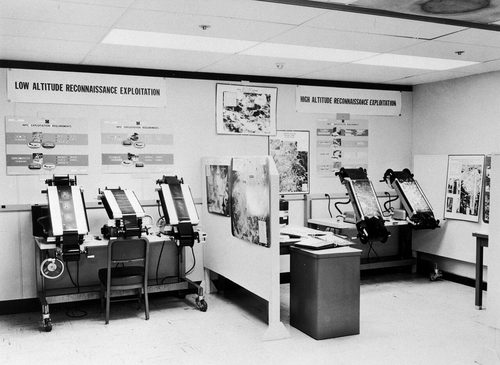
How US intelligence missed, then found, Soviet missiles in Cuba in 1962: a wrong estimate, a five-week gap in U-2 coverage, the 14 October flight over San Cristóbal, and what the photographs never showed.
 12 March – 15 June 1963
Project Mockingbird (1963)
In 1963 the CIA tapped the phones of two Washington columnists to find who was leaking to them. The 'Family Jewels' call it Project Mockingbird, a name later borrowed for a larger, unproven theory.
March 1967
Acoustic Kitty
A 1960s CIA effort to turn a trained cat into a mobile listening device. The only official record is a heavily redacted 1967 memo; the famous taxi story and the price tag come from later, disputed recollections.
 June 1967 – 1972
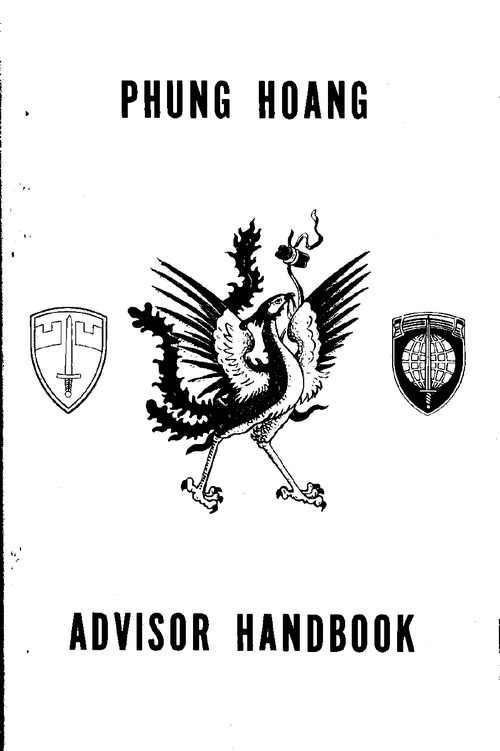
The Phoenix Program
Phoenix (Phung Hoang) was the US–South Vietnamese effort of 1967–72 to identify and 'neutralize' the Viet Cong's clandestine political apparatus. It became the most contested program of the war.
 15 August 1967 – 5 March 1974
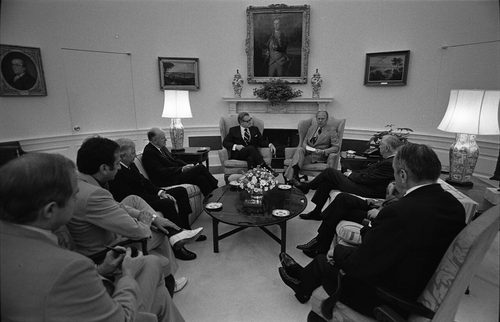
Operation CHAOS
Pressed by two presidents to prove that foreign communists were behind the antiwar movement, the CIA built files on 7,200 Americans from 1967 to 1974 and kept finding no such proof.
 20 October 1967 – October 1973
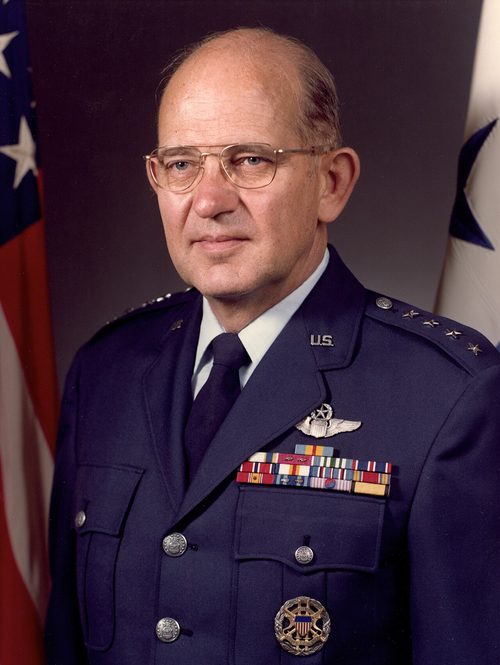
Project Minaret
From 1967 to 1973 the NSA searched international communications for the names of Americans supplied by the FBI, CIA and Secret Service, among them Martin Luther King Jr., Muhammad Ali and two sitting senators.
 1 July 1969 – 16 June 1975
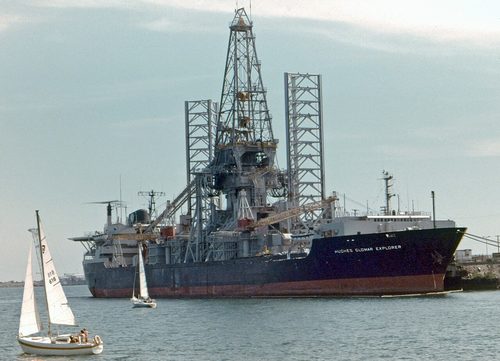
Project Azorian (the Glomar Explorer)
In 1974 the CIA used a purpose-built ship, passed off as Howard Hughes's deep-sea mining vessel, to lift part of the sunken Soviet submarine K-129 from 16,500 feet down in the Pacific.
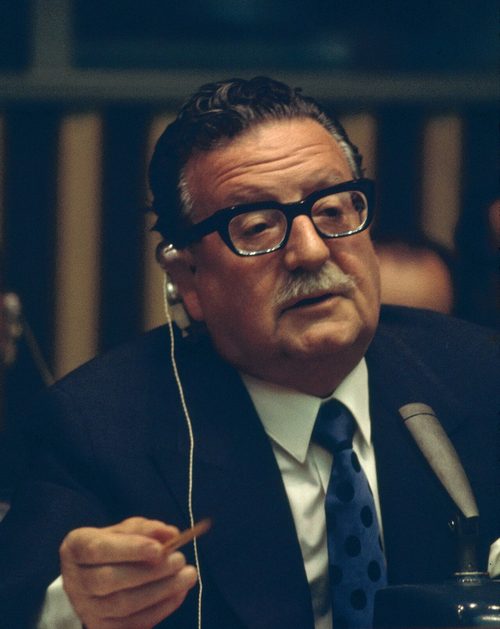 15 September – 24 October 1970
Track II and Chile, 1970
In September 1970 President Nixon ordered the CIA to try to provoke a military coup that would stop Salvador Allende taking office in Chile. The effort ended with the killing of General René Schneider.
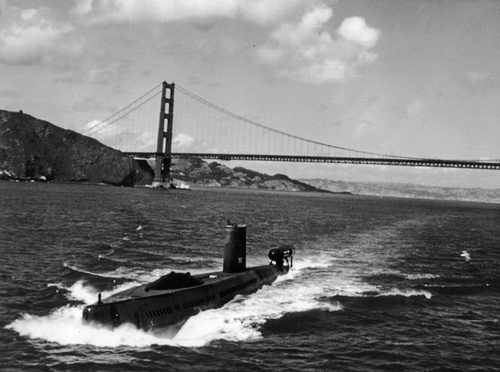 October 1971 – 1981
Operation Ivy Bells
From 1971 US Navy divers working from submarines tapped a Soviet military cable on the floor of the Sea of Okhotsk. Former NSA analyst Ronald Pelton sold the secret to the KGB, and the Soviets removed the tap in 1981.
1972 – 1995
The Stargate Project
For two decades the CIA, the Army and the DIA funded research into 'remote viewing', the claimed psychic ability to describe distant places. A 1995 review found it never produced usable intelligence.
January 1977 – 24 September 1986
The Tolkachev case
From 1979 to 1985 Soviet radar engineer Adolf Tolkachev photographed secret designs for the CIA in Moscow, handing over hundreds of rolls of film. Betrayed in 1985, he was executed in September 1986.
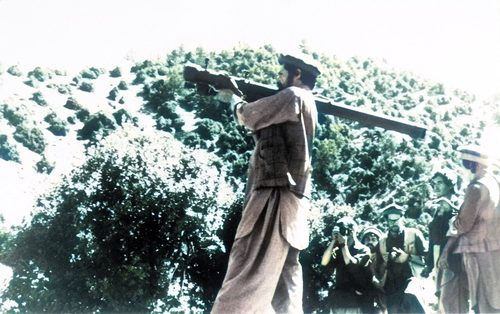 3 July 1979 – 1992
Operation Cyclone
The CIA's covert program to arm the Afghan resistance, from a $695,000 non-lethal finding in July 1979 through Soviet-made rifles via Pakistan to Stinger missiles, and what the record says about bin Laden.
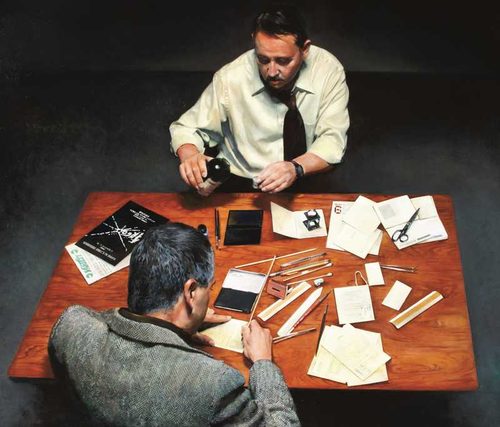 4 November 1979 – 28 January 1980
The Canadian Caper
Six American diplomats who escaped the 1979 seizure of the US embassy in Tehran hid with Canadian diplomats for nearly three months, then flew out on Canadian passports posing as a film crew invented by the CIA.
February 1981 – 23 January 1985
The Farewell Dossier
In 1981–82 a disaffected KGB officer, Vladimir Vetrov, gave French counterintelligence thousands of documents on Soviet technology theft. The West expelled scores of Soviet officers and fed Moscow doctored technology.
 2–11 November 1983
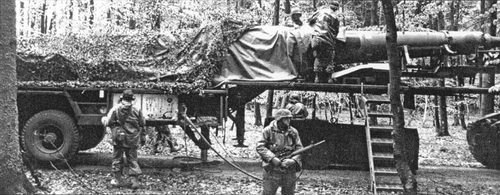
Able Archer 83 and the war scare
A routine NATO nuclear-release exercise in November 1983 met an unusual Soviet military alert. What the declassified record shows about the reaction, and why historians still disagree on the danger.
 October 1984 – 25 November 1986
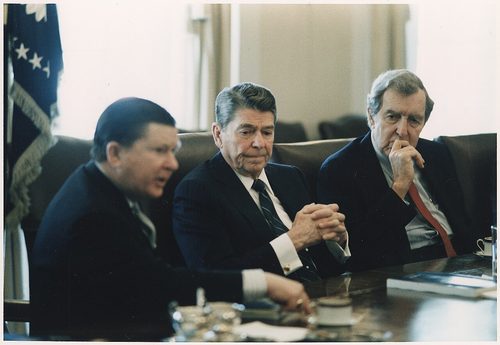
The Iran–Contra affair
In 1985–86 Reagan administration officials secretly sold missiles to Iran to free American hostages and ran a private supply line to the Nicaraguan contras despite a congressional ban, then tried to cover both up.
 16 April – 25 November 1985
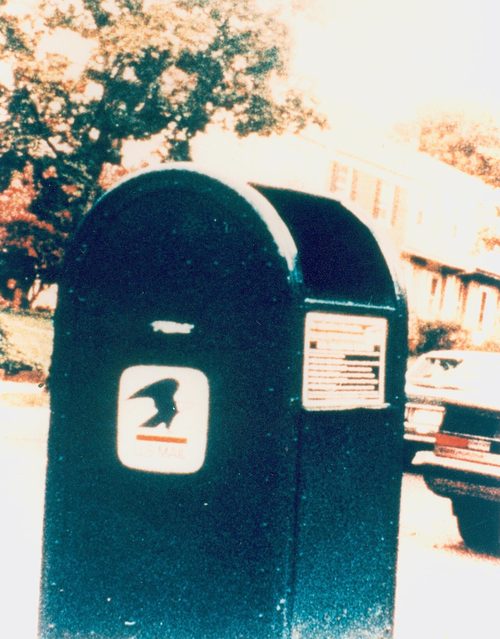
1985, the Year of the Spy
In 1985 the FBI arrested a string of Americans spying for Moscow, Beijing and Israel, a KGB officer defected and re-defected, and the CIA lost almost every agent it had inside Soviet intelligence.
Operations against the CIA
 May – November 1962
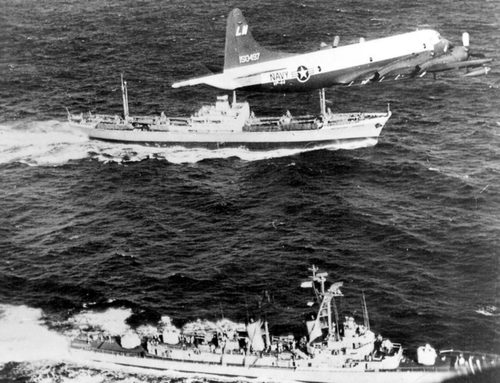
Operation Anadyr
The Soviet General Staff's 1962 plan to move nuclear missiles and some 42,000 troops to Cuba in secret, and the deception that hid it from US intelligence until a U-2 flight on 14 October.
 November 1979 – 18 February 2001
The Hanssen case
FBI agent Robert Hanssen spied for Soviet and Russian intelligence in three bursts from 1979 to 2001 without revealing his name. Caught at a Virginia dead drop in 2001, he was the most damaging spy in FBI history.
 May 1981 – April 1989
Operation RYAN
The KGB–GRU intelligence alert launched in May 1981 to detect a feared American nuclear first strike, its indicator lists, and the long argument over whether Moscow's fear was real.
17 July 1983 – 1989
Operation INFEKTION
The 1980s KGB and Stasi campaign to persuade the world that the US military had created AIDS at Fort Detrick: how the story was planted, spread and disowned, and what its codename really was.
People
Sources
- FRUS FRUS, 1945–1950, Emergence of the Intelligence Establishment, Introduction to chapter 1, US Department of State, Office of the Historian (1996).
- FRUS FRUS, 1945–1950, Emergence of the Intelligence Establishment, Document 71: Presidential Directive on Coordination of Foreign Intelligence Activities, 22 January 1946, US Department of State, Office of the Historian (1946-01-22).
- FRUS FRUS, 1945–1950, Emergence of the Intelligence Establishment, Document 221: Hillenkoetter to the Intelligence Advisory Board, 18 September 1947, US Department of State, Office of the Historian (1947-09-18).
- FRUS FRUS, 1945–1950, Emergence of the Intelligence Establishment, Introduction to chapter 7: Psychological and Political Warfare, US Department of State, Office of the Historian (1996).
- FRUS FRUS, 1945–1950, Emergence of the Intelligence Establishment, Document 292: NSC 10/2, 18 June 1948, US Department of State, Office of the Historian (1948-06-18).
- Official history Milestones: The National Security Act of 1947, US Department of State, Office of the Historian.
- Congress Alleged Assassination Plots Involving Foreign Leaders, Part IV: Findings and Conclusions (chapter scan), Church Committee; copy hosted by the Assassination Archives and Research Center (1975-11-20).
- Wikipedia Central Intelligence Agency, Wikipedia.
- Wikipedia English Wikipedia article (used for cross-checking).
Elsewhere in the files
- Agency Federal Bureau of Investigation (FBI)
- Agency Gehlen Organization and BND
- Agency National Reconnaissance Office (NRO)
- Agency National Security Agency (NSA)
- Agency Office of Strategic Services (OSS)
- Agency SDECE and DST (French intelligence)
- Agency Secret Intelligence Service (MI6)
- Document "Make the economy scream": Helms's notes of 15 September 1970
- Document "Project AZORIAN: The Story of the Hughes Glomar Explorer"
- Document 'CIA Agents Imprisoned in the Soviet Union': a retiring officer's memo on captured REDSOX agents (1978)
- Document 'The Trust': the CIA's unpublished study of the OGPU's great deception (c. 1969)
- Document 16 October 1962: the first White House meeting on the missile sites
- Document After the U-2: the President and his advisers (May 1960)
- Document Alleged Assassination Plots Involving Foreign Leaders (1975)
- Document Allen Dulles's cable on Lumumba: 'an urgent and prime objective' (August 1960)
- Document CORONA: the CIA's 1995 documentary history of its first spy satellite
- Document Church Committee Hearings, Volume 5: The NSA and Fourth Amendment Rights (1975)
- Document Cuba 1962: Khrushchev's Miscalculated Risk (CIA staff study, 1964)
- Document Ford's meeting on the submarine leak (27 May 1975)
- Document Francis Gary Powers before the CIA Board of Inquiry (22 February 1962)
- Document Iran 1953: Kermit Roosevelt's debriefing at CIA headquarters
- Document Lansdale's "The Cuba Project" (1962)
- Document Lansdale's first Cuba Project program review (18 January 1962)
- Document Meeting the Espionage Challenge: the Senate's verdict on the Year of the Spy (1986)
- Document NSC 10/2: covert action authorized (1948)
- Document NSC 68 (1950)
- Document OPC's revaluation of the Albanian operation (29 November 1949)
- Document On the Trail of Nazi Counterfeiters: a CIA historian on Operation Bernhard (2002)
- Document Operation PBSUCCESS: the CIA's own history of the Guatemala coup (Cullather, 1994)
- Document Penkovskiy's Legacy: a CIA analyst on the IRONBARK papers (1972)
- Document SNIE 11-10-84: the intelligence community reads the war scare (May 1984)
- Document SNIE 85-3-62: the estimate that ruled out missiles in Cuba (1962)
- Document Soviet Acquisition of Militarily Significant Western Technology: An Update (1985)
- Document The "Family Jewels" (1973)
- Document The Afghan covert program in May 1980: INR's briefing for Secretary Muskie
- Document The Afghan program begins: the Special Coordination Committee, 26 June 1979
- Document The Battle for Iran: the CIA History Staff's account of the 1953 coup (c. 1974)
- Document The CIA Inspector General's inspection of MKULTRA (1963)
- Document The CIA Inspector General's report on plots to kill Castro (1967)
- Document The CIA Iran Task Force's account of the Canadian Caper (1980)
- Document The CIA historian's case against the Taylor Committee (1984)
- Document The CIA's Tibet program reviewed for the Special Group (January 1964)
- Document The CIA's history of OXCART: 'The U-2's Intended Successor' (1992)
- Document The CIA's history of the Berlin Tunnel (1968)
- Document The CIA's trained-cats memo (1967)
- Document The Church Committee's report on the NSA: 'National Security Agency Surveillance Affecting Americans' (1976)
- Document The Doolittle Report (1954)
- Document The Inspector General's survey of the Cuban operation (1961)
- Document The Long Telegram (1946)
- Document The National Security Act of 1947
- Document The Northwoods memorandum (1962)
- Document The Rockefeller Commission on Operation CHAOS (1975)
- Document The Soviet "War Scare" (PFIAB, 1990)
- Document The congressional Iran-Contra report (1987)
- Document Undercover Armies: the CIA's secret history of its war in Laos (2006)
- Document What the CIA told the State Department about Eichmann (July 1960)
- Document William Colby on Phoenix before the Senate (1970)
- Operation 1985, the Year of the Spy
- Operation Able Archer 83 and the war scare
- Operation Acoustic Kitty
- Operation CORONA
- Operation IRONBARK: the Penkovsky case
- Operation Intelligence in the Cuban Missile Crisis
- Operation Operation Ajax (TPAJAX)
- Operation Operation Anadyr
- Operation Operation CHAOS
- Operation Operation Cyclone
- Operation Operation Gladio
- Operation Operation Gold (the Berlin Tunnel)
- Operation Operation INFEKTION
- Operation Operation Ivy Bells
- Operation Operation Jedburgh
- Operation Operation Mongoose
- Operation Operation PBSuccess
- Operation Operation Paperclip
- Operation Operation RYAN
- Operation Operation Redsox
- Operation Operation Silver (the Vienna tunnels)
- Operation Operation Valuable (Albania)
- Operation Operation Washtub
- Operation Project Azorian (the Glomar Explorer)
- Operation Project Coldfeet
- Operation Project MKUltra
- Operation Project Minaret
- Operation Project Mockingbird (1963)
- Operation Project Oxcart
- Operation ST CIRCUS: the CIA in Tibet
- Operation TOPHAT: the Polyakov case
- Operation The Bay of Pigs invasion
- Operation The CIA and the Congo crisis, 1960–61
- Operation The Canadian Caper
- Operation The Farewell Dossier
- Operation The Hanssen case
- Operation The Iran–Contra affair
- Operation The Phoenix Program
- Operation The Stargate Project
- Operation The Tolkachev case
- Operation The U-2 program and the 1960 shoot-down
- Operation The Venona project
- Operation The plots against Fidel Castro
- Operation The secret war in Laos
- Operation Track II and Chile, 1970
- Person Adolf Tolkachev
- Person Allen Dulles
- Person Dmitri Polyakov
- Person Francis Gary Powers
- Person James Jesus Angleton
- Person Oleg Penkovsky
- Person Reinhard Gehlen
- Person Richard Helms
- Person Virginia Hall
- Person William Colby
- Person William J. Donovan
- Tradecraft Brush passes
- Tradecraft Cipher machines
- Tradecraft Concealment devices
- Tradecraft Dead drops
- Tradecraft Numbers stations
- Tradecraft Overhead reconnaissance
- Tradecraft Secret writing
- Tradecraft Signals intelligence
- Tradecraft Surveillance and countersurveillance
- Tradecraft The "Moscow Rules"