
Methods
Tradecraft
The methods of the trade as they appear in court exhibits, declassified files and museum cases: where they came from, the cases that made them famous and how services caught them out. History, not instructions.
1950s–1980s
Brush passes
The brief hand-to-hand exchange, made in passing in a public place. Declassified CIA accounts of the Penkovsky and Tolkachev cases in Moscow show how much of the Cold War's best intelligence moved this way.
 1915–1970s
Cipher machines
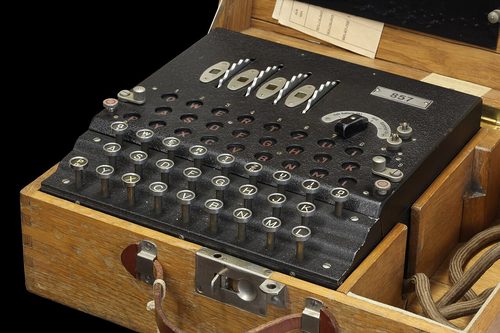
From Hebern's rotor to Enigma, Purple, Lorenz and SIGABA, the electromechanical machines that carried the secrets of the Second World War, and the codebreakers who read most of them.
 1940s–1980s
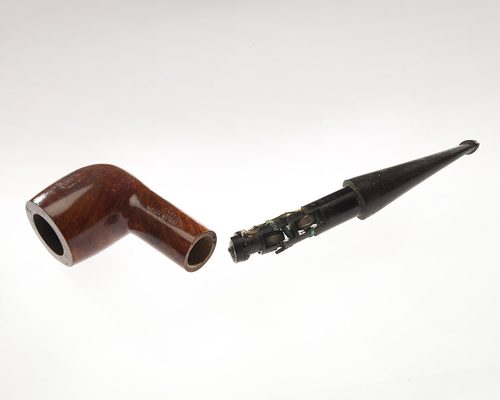
Concealment devices
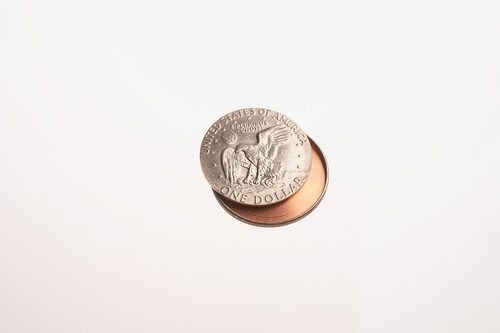
Hollow coins, bolts, batteries and books: the everyday objects spies used to carry film and messages. Many now sit in FBI and CIA collections, and nearly all were found the same way, through an informant or an arrest.
 1940s–2001
Dead drops
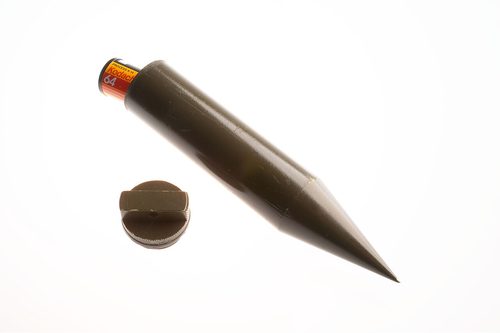
A hiding place where one spy leaves material for another to collect later, so the two never meet. The Abel, Ames and Hanssen cases show how it worked and how the FBI turned it against its users.
1920s–1990s
Double agents
Agents who seem to serve one service while controlled by another. From the OGPU's Trust to MI5's Double Cross system and the FBI's Duquesne case, the best of them turned an enemy network into a channel for deception.
 1920s–1980s
Illegals and legends
Soviet officers who lived abroad as private citizens under borrowed identities, with no diplomatic protection. The Abel and Portland court records show how their legends were built and how they came apart.
 1870–1960s
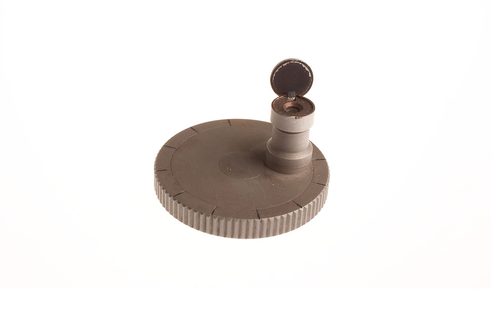
Microdots
A page of text photographed down to the size of a printed full stop. The Abwehr's wartime microdots, Popov's Pearl Harbor questionnaire and the Soviet illegals' kits in New York and London show how far the trick went.
 1950s–1990s
Numbers stations
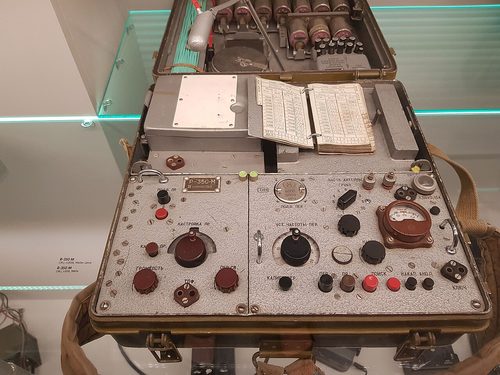
Shortwave broadcasts of spoken or keyed number groups, heard by hobbyists for decades and rarely acknowledged by any government. A Miami spy trial and a declassified CIA case history show what they were for.
 1917–1980s
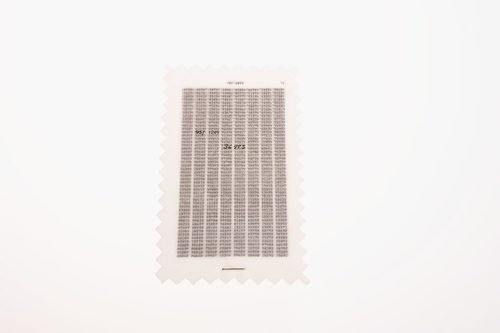
One-time pads
The one cipher proven unbreakable if its key is random and never reused. Soviet intelligence relied on it, and a wartime printing shortcut that duplicated pages let US codebreakers read thousands of messages.
 1956–1990s
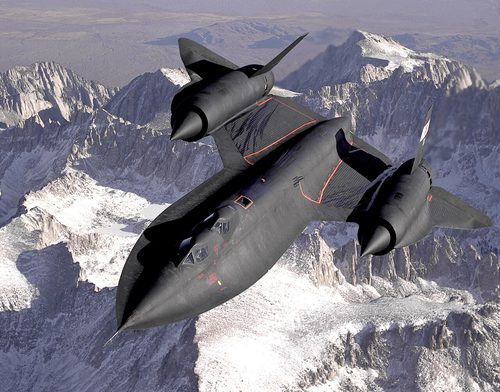
Overhead reconnaissance
Balloons, the U-2, the A-12 and the CORONA satellites gave the United States its first reliable picture of Soviet military power. The programs were secret for decades; the NRO itself was not acknowledged until 1992.
 1770s–1970s
Secret writing
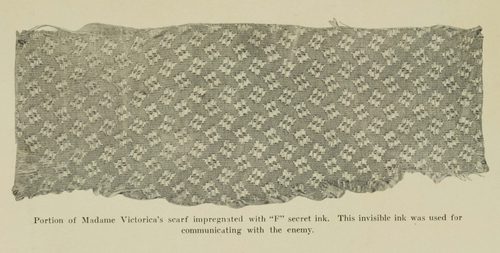
Invisible inks carried spy reports from the American Revolution to the Cold War. The record runs from Washington's 'sympathetic stain' to the CIA's oldest classified papers, finally released in 2011.
 1914–1990s
Signals intelligence
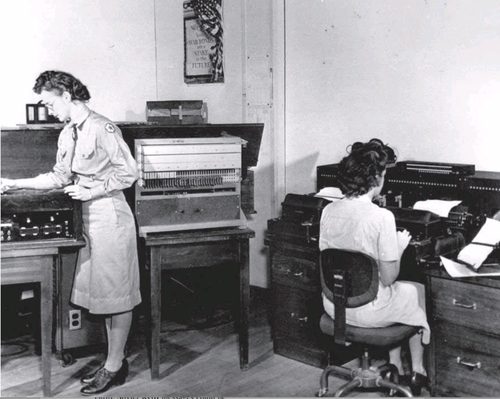
Intelligence from intercepted communications and electronic emissions, from Room 40 and the Zimmermann telegram to Ultra, Venona, the Berlin tunnel and NSA's domestic programs exposed by the Church Committee.
 1940s–1990s
Surveillance and countersurveillance
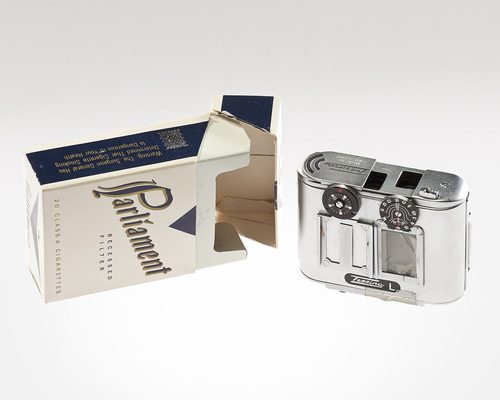
Watching people was the core of Cold War counterintelligence, from MI5's watchers in the Portland case to KGB teams trailing CIA officers in Moscow, and the Church Committee exposed its abuse at home.
1960s–1980s
The "Moscow Rules"
The unwritten working habits of CIA officers in Cold War Moscow, later popularized as a ten-line list. What the record shows about where they came from and the Moscow cases that shaped them.
1915–1970s
Cipher machines
From Hebern's rotor to Enigma, Purple, Lorenz and SIGABA, the electromechanical machines that carried the secrets of the Second World War, and the codebreakers who read most of them.
1940s–1980s
Concealment devices
Hollow coins, bolts, batteries and books: the everyday objects spies used to carry film and messages. Many now sit in FBI and CIA collections, and nearly all were found the same way, through an informant or an arrest.
1940s–2001
Dead drops
A hiding place where one spy leaves material for another to collect later, so the two never meet. The Abel, Ames and Hanssen cases show how it worked and how the FBI turned it against its users.
1920s–1990s
Double agents
Agents who seem to serve one service while controlled by another. From the OGPU's Trust to MI5's Double Cross system and the FBI's Duquesne case, the best of them turned an enemy network into a channel for deception.
1920s–1980s
Illegals and legends
Soviet officers who lived abroad as private citizens under borrowed identities, with no diplomatic protection. The Abel and Portland court records show how their legends were built and how they came apart.
1870–1960s
Microdots
A page of text photographed down to the size of a printed full stop. The Abwehr's wartime microdots, Popov's Pearl Harbor questionnaire and the Soviet illegals' kits in New York and London show how far the trick went.
1950s–1990s
Numbers stations
Shortwave broadcasts of spoken or keyed number groups, heard by hobbyists for decades and rarely acknowledged by any government. A Miami spy trial and a declassified CIA case history show what they were for.
1917–1980s
One-time pads
The one cipher proven unbreakable if its key is random and never reused. Soviet intelligence relied on it, and a wartime printing shortcut that duplicated pages let US codebreakers read thousands of messages.
1956–1990s
Overhead reconnaissance
Balloons, the U-2, the A-12 and the CORONA satellites gave the United States its first reliable picture of Soviet military power. The programs were secret for decades; the NRO itself was not acknowledged until 1992.
1770s–1970s
Secret writing
Invisible inks carried spy reports from the American Revolution to the Cold War. The record runs from Washington's 'sympathetic stain' to the CIA's oldest classified papers, finally released in 2011.
1914–1990s
Signals intelligence
Intelligence from intercepted communications and electronic emissions, from Room 40 and the Zimmermann telegram to Ultra, Venona, the Berlin tunnel and NSA's domestic programs exposed by the Church Committee.
1940s–1990s
Surveillance and countersurveillance
Watching people was the core of Cold War counterintelligence, from MI5's watchers in the Portland case to KGB teams trailing CIA officers in Moscow, and the Church Committee exposed its abuse at home.
1960s–1980s
The "Moscow Rules"
The unwritten working habits of CIA officers in Cold War Moscow, later popularized as a ten-line list. What the record shows about where they came from and the Moscow cases that shaped them.